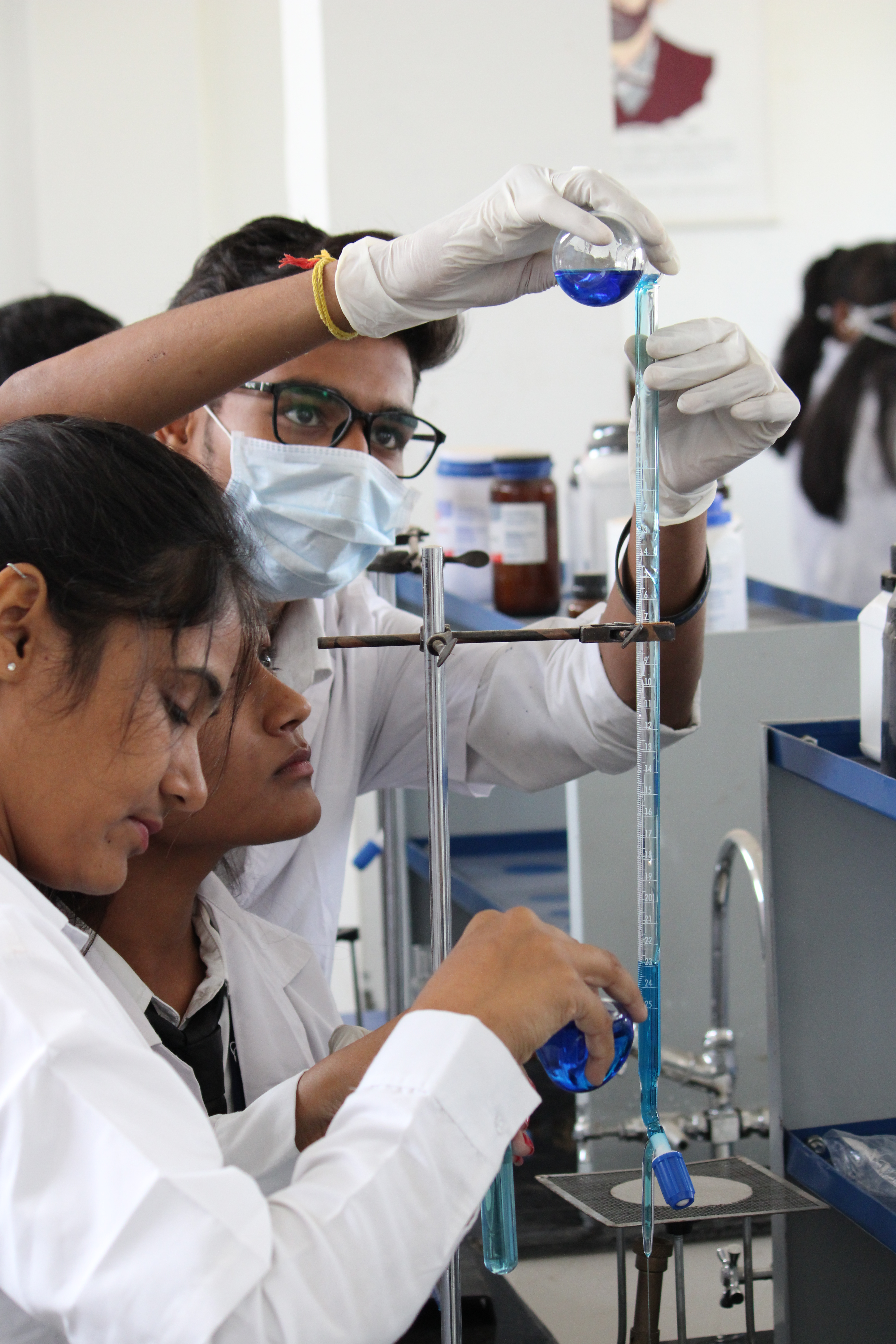
Forensic chemistry is the application of
chemistry to law enforcement, it encompasses organic and inorganic analysis, toxicology ,
arson investigation, firearms and explosives. Each method of analysis uses specialized
techniques and instrumentation, also involves the physical and chemical examination of
evidences, such as body fluids, fibres and drugs. Many different analytical methods may be
used to reveal what chemical changes occurred during an incident, and so help reconstruct
the sequence of events. Forensic chemistry is unique among chemical sciences.
Forensic toxicology is the use of toxicology
and other disciplines such as analytical chemistry, to aid the legal investigation of death,
poisoning, and drug use. Forensic toxicology is the study of alcohol, drugs (licit and
illicit), and poisons, including their chemical composition, preparations, and
identification. It includes knowledge about the absorption, distribution, and elimination
characteristics of such substances in the body, to understand drug action one must know
where and how the effects occur in the body.
Instruments that are helpful in investigating
forensic chemistry-related cases